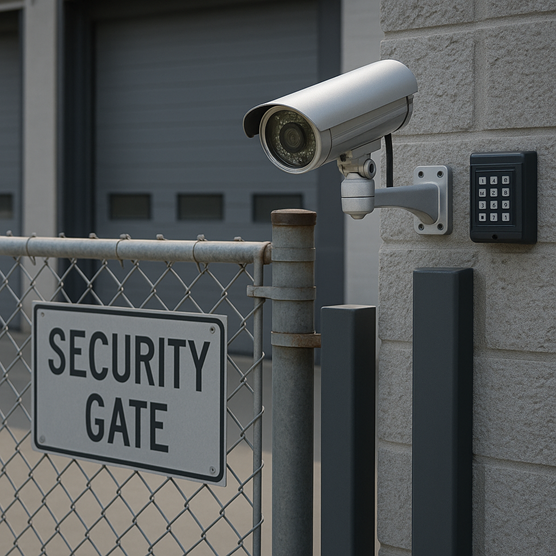
Physical security remains one of the most essential components of any loss prevention strategy. Even with advancements in digital tools and analytics, many incidents can still be prevented through strong physical controls, well designed spaces, and consistent human vigilance. Loss prevention professionals who master physical security principles provide significant value to their organizations, ensuring assets, people, and operations remain protected.
Physical security focuses on preventing unauthorized access, protecting assets, and reducing opportunities for theft or disruption. While technology enhances these efforts, physical measures form the foundation that supports all other loss prevention initiatives.
Controlling who enters and exits key areas is one of the most effective loss prevention tactics. Effective access control includes:
- Card readers
- Key control programs
- Visitor management systems
- Security checkpoints
- Zone restrictions
Loss prevention practitioners must ensure these systems are properly maintained, monitored, and enforced. Poorly managed access creates opportunities for internal theft, sabotage, and unauthorized activities.
Surveillance systems remain essential tools for prevention and investigation. Cameras act as deterrents and provide valuable evidence when incidents occur. However, the effectiveness of surveillance depends on proper placement, lighting, monitoring, and regular maintenance. Practitioners should understand camera coverage, blind spots, and how to integrate video with other security measures.
Strong perimeter controls establish clear boundaries and reduce external threats. Measures include:
- Lighting
- Fencing
- Barriers
- Secure entry points
- Vehicle control
These controls are especially important for warehouses, distribution centers, manufacturing plants, and outdoor storage areas where valuable goods are accessible.
Crime Prevention Through Environmental Design encourages safer spaces by making it more difficult for criminals to act without detection. Key concepts include:
- Natural surveillance
- Clear sight lines
- Controlled movement pathways
- Strategic placement of displays and shelves
- Minimizing concealment zones
Loss prevention professionals who understand environmental design can help optimize facility layout to reduce risk.
Physical security is not limited to doors and cameras. It also includes procedural elements such as:
- Cash handling controls
- Secure storage areas
- Lockable cases
- Restricted access to high value merchandise
- Regular inspections
When physical and operational controls work together, they create a strong multi layered defense.
Even the most advanced systems depend on people. Employees must know how to identify risks, report concerns, and follow basic security practices. Effective training builds vigilance and strengthens the organization’s safety culture.
Physical security measures require regular review. Locks weaken, lights fail, cameras malfunction, and layouts change. Continuous evaluation ensures vulnerabilities are addressed promptly.
Physical security is the base upon which all loss prevention initiatives are built. Professionals who master these fundamentals enhance the stability, security, and overall resilience of the organization. They enable businesses to operate confidently, knowing that both people and assets are protected.